Why an Old-Fashioned Ciggie Now Feels Strangely Radical
On freedom, risk, and being left alone
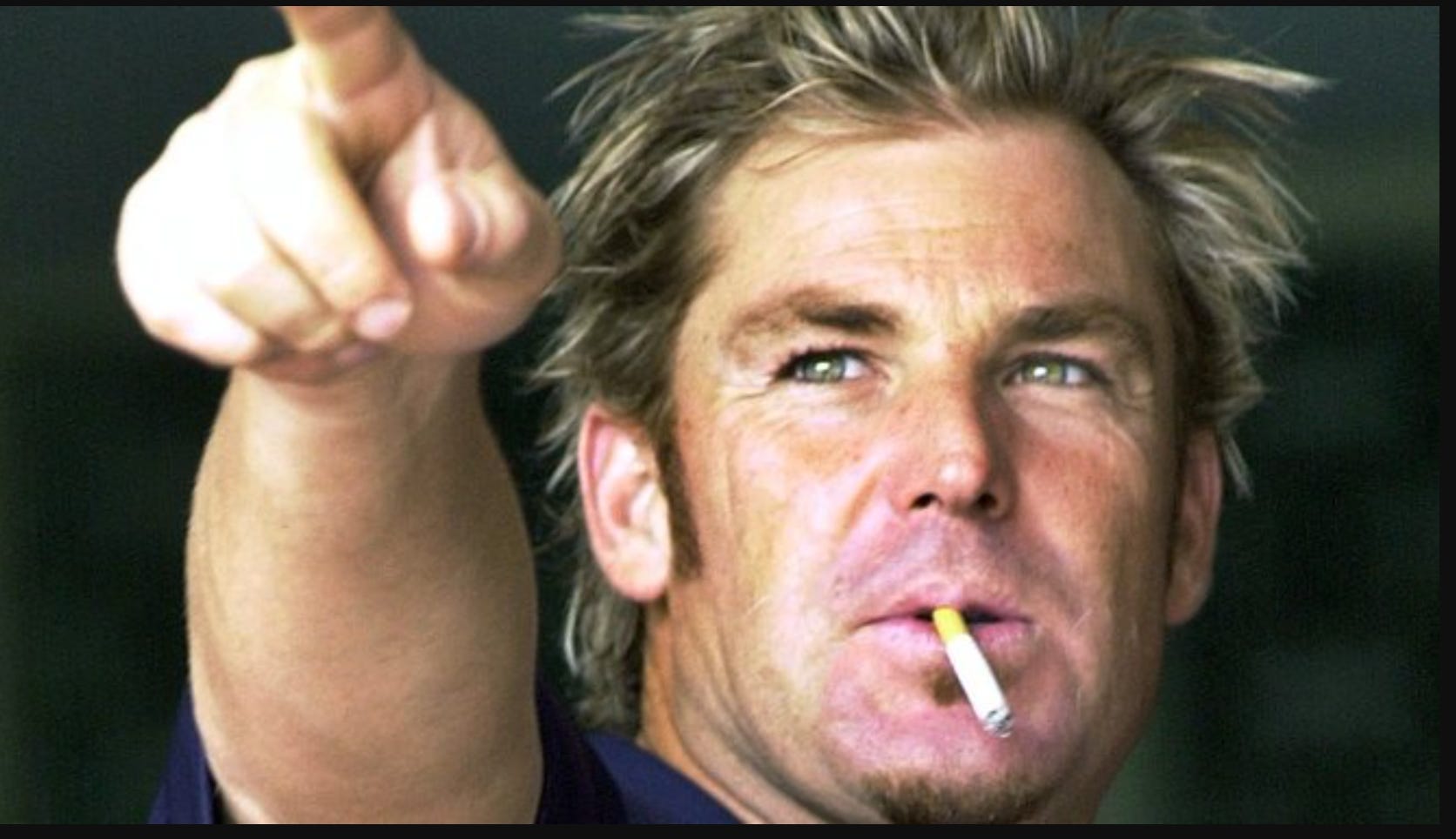
Whenever I see someone having a cigarette, I think: good on you. It’s nice to see someone with an old-fashioned ciggie.
To be clear: I’m not nostalgic for lung cancer. That’s not what’s being saluted here. What I’m about to discuss is something else — something that now feels oddly out of place.
A cigarette is one of the last genuinely unoptimised things a person can do in public.
It doesn’t improve you. It doesn’t express your identity. It doesn’t make you healthier, calmer, or more productive. It doesn’t even pretend to be good for you. It is slow, slightly self-destructive, faintly antisocial, and utterly pointless.
And in a world obsessed with optimisation, that is precisely what makes it interesting.
When someone steps outside, lights up, and just stands there, they are doing something almost anachronistic. They are not scrolling. They are not performing. They are not broadcasting their inner life. They are simply occupying space and time without explanation.
There is something quietly rebellious about that now — not because it breaks any serious rule, but because it refuses to participate in the machinery of constant self-management.
There was a time when this kind of small, inconsequential freedom was everywhere. You could do mildly foolish things in public without them becoming moral dramas. You could take a small risk, make a bad choice, offend someone slightly, or waste ten minutes without it being pathologised, documented, or turned into a lesson. The world was looser. Not better in every way — but looser.
That looseness is what flickers into view when someone lights a cigarette.
It isn’t about tobacco. It’s about a vanished atmosphere — a time when adulthood meant being trusted to mismanage yourself a little, and when not every behaviour had to be regulated, therapised, or explained away.
We have replaced that atmosphere with something far more anxious. Modern life is run by systems that cannot tolerate ambiguity. Everything must be justified. Every impulse interpreted. Every risk minimised. We are encouraged to think of ourselves less as adults navigating a complicated world and more as fragile systems requiring constant calibration.
This has brought obvious gains. People live longer. Workplaces are safer. Cruelties that once went unchallenged are now named. None of that is trivial.
But something else has quietly drained away.
The ability to be wrong in public.
The right to make small, stupid choices.
The freedom to not explain yourself.
The cigarette once lived squarely in that space. It wasn’t heroic or virtuous. It was a private vice in plain sight — a reminder that people were allowed to be imperfect without being monitored for it.
Now even our vices are engineered. We don’t smoke; we vape, with devices designed to maximise addiction while minimising visible harm. We don’t drink too much; we track our intake. We don’t suffer quietly; we log our moods. We don’t rebel; we curate. We don’t disappear for ten minutes; we document where we went and why.
Everything has become measurable. Everything optimisable. Even our self-destruction has to perform.
That is why a cigarette now feels poignant. It belongs to a time before life was turned into a dashboard.
The person smoking is probably not making a statement. They are just having a smoke. But unintentionally, they are standing slightly outside the regime of constant improvement. They are doing something that doesn’t promise growth, wellness, or insight. They are simply burning a few minutes of their own life and enjoying it.
There is a quiet dignity in that.
We once accepted that adults would sometimes do things that weren’t good for them. We understood that freedom included the freedom to choose poorly, without it becoming a social problem. That understanding has eroded. In its place is a culture that treats every deviation from the approved path as something to be corrected.
So when I see someone leaning against a wall with a cigarette, I don’t think about carcinogens. I think about how rare it has become to see someone briefly unaccountable to the system.
A cigarette is not a cure for anything. But it is a small reminder of a time when people were allowed to be messy, private, and a little reckless without apology.
That is what I’m really missing.
And that is what I’m quietly saluting when I think: good on you.


I enjoyed this essay very much.
