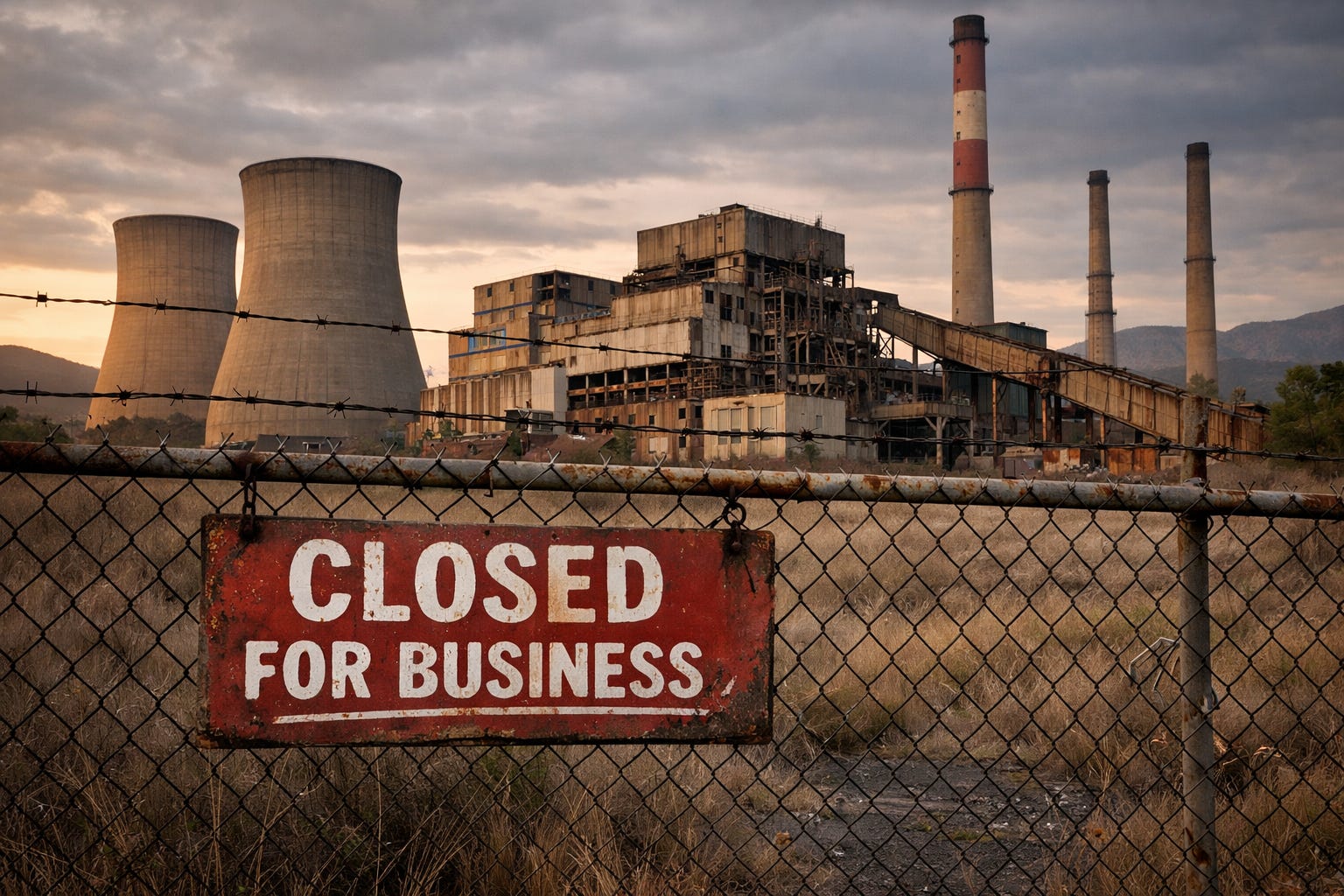
Australia gutted its energy infrastructure chasing net zero — now we’re running on empty
After a decade chasing net zero, an energy superpower can barely fuel itself.
Australia’s political class has spent the last decade dismantling its own energy infrastructure in pursuit of perhaps the most economically self-destructive policy in the nation’s peacetime history.
We received the bill for that incompetence last week: 34 days of fuel.
The government is doing what it does best. It’s blaming Australian citizens for buying petrol. Because apparently we don’t have a supply problem, we have a “demand problem”.
Australia’s fuel security has been deteriorating for years. The International Energy Agency requires member states to hold 90 days of fuel imports in reserve.
Australia hasn’t met that obligation since 2012. Governments in Canberra have known this for more than a decade. Reviews have been commissioned and warnings issued.
Yet Australia still holds barely a month of fuel.
Australia once refined much of its own fuel. In 2004 the country had eight operating oil refineries. Today only two remain: Lytton in Brisbane and Geelong in Victoria.
The rest closed over the past decade as domestic refining collapsed and governments pursued emissions targets. Clyde shut in 2013. Kurnell followed in 2014. Bulwer Island closed in 2015. Kwinana and Altona shut in 2021.Eight refineries became two.
Australia now imports roughly 90 percent of its liquid fuel.
That fuel travels thousands of kilometres before it reaches Australia. Most of it is refined in Singapore, South Korea and Japan before being shipped across busy maritime routes. The entire system depends on one assumption.
The ships keep arriving.
Australia sits at the end of those supply chains. Tankers carrying refined fuel must cross some of the most contested shipping lanes on Earth before they reach Australian ports. When those routes tighten, Australia feels it immediately. Geography doesn’t care about emissions targets.
Modern economies run on dense energy. Australia burns roughly 80 million litres of diesel every day moving freight, running mines and powering farms. Diesel moves trucks. Diesel powers mines, farms and freight networks. When diesel runs short the country doesn’t stop driving.
It stops moving.
Trucks don’t run on moral virtue.
Container ships don’t cross oceans on UN declarations.
Supermarkets don’t restock themselves with climate targets.
Meanwhile Australia remains one of the world’s largest exporters of coal. The country exported tens of billions of dollars worth of coal in recent years, much of it to China. Beijing continues expanding its coal power fleet.
China approved more coal power capacity in 2023 alone than the rest of the world combined. Those plants burn coal shipped from countries like Australia.
Australian governments know this.
Coal royalties deliver billions of dollars in revenue to state budgets every year. Those royalties help fund public services and stabilise government finances.
Yet those same governments tell Australians the fossil-fuel era is ending.
They export the fuel.
They bank the royalties.
Then they lecture the public.
Blaming Australians for buying petrol in a modern economy is like dismantling half the nation’s water infrastructure and then accusing citizens of drinking too much.
Australia exports enormous quantities of energy to the world. Coal, gas and uranium power other nations’ industries.
Yet Australia can’t guarantee enough refined fuel to run its own economy for more than a few weeks.
An energy superpower running on fumes.
And when the consequences arrive, the government blames motorists.
Think about that logic.


